
Essential Boating Safety Equipment for a Safe Boating Experience

Boating is thrilling! The wind in your hair, the splash of water, the endless horizon. But safety? That’s non-negotiable. You need the right gear to keep every trip smooth and secure. I’m here to break down the essential boating safety equipment you must have on board. No fluff, just the facts. Let’s dive in!
Why You Need Essential Boating Safety Equipment
Boating is fun, but it can be risky without the right precautions. Accidents happen fast. One wrong move, and you could be in trouble. That’s why having essential boating safety equipment is your first line of defense. It’s not just about following rules—it’s about protecting yourself and everyone on board.
Think about it. If you fall overboard, what’s your plan? If the engine fails, how do you signal for help? If someone gets hurt, do you have what you need to act fast? The right gear answers all these questions. It keeps you ready for anything.
Must-Have Safety Gear for Boating
Here’s the core list of gear you can’t skip. Each item plays a critical role in keeping you safe.
1. Life Jackets (PFDs)
Life jackets save lives. Period. Every person on board must have a properly fitting life jacket. Choose Coast Guard-approved models. Make sure kids have their own, sized just right. Keep them accessible—don’t stash them away in a locker.
Pro tip: Pick life jackets with bright colors and reflective strips. They make you easier to spot in the water.
2. Throwable Flotation Devices
Besides life jackets, have throwable devices like a ring buoy or cushion. These help rescue someone who falls overboard quickly. Toss it out and pull them back to the boat.
3. Fire Extinguishers
Boats have engines and fuel—fire hazards are real. Carry at least one marine-rated fire extinguisher. Know how to use it before you hit the water. Check it regularly to ensure it’s charged and ready.
4. Visual Distress Signals
If you get stranded, you need to signal for help. Flares, signal mirrors, and flags are essential. Keep them dry and easy to reach. Know the local regulations on what signals are required.
5. Sound-Producing Devices
A whistle, horn, or bell can alert other boats or rescuers. Use them to signal your presence or call for help. Keep these devices handy at all times.
6. First Aid Kit
Accidents happen. Cuts, scrapes, or worse. A well-stocked first aid kit is a must. Include bandages, antiseptics, pain relievers, and any personal medications. Check and restock it regularly.
7. Navigation and Communication Tools
GPS, marine radio, and a compass are your navigation lifelines. A VHF radio lets you communicate with the coast guard or other boats in emergencies. Don’t rely solely on your phone—signal can be spotty on the water.
8. Anchor and Line
If your engine fails or you need to stop, an anchor keeps you from drifting. Choose the right size for your boat and water conditions. Practice deploying it quickly.
How to Use Your Safety Gear Effectively
Having gear is one thing. Using it right is another. Here’s how to make your safety equipment work for you.
Inspect before every trip. Check life jackets for tears, fire extinguishers for pressure, and flares for expiration dates.
Practice drills. Run through man-overboard drills with your crew. Know how to throw a flotation device or use the radio.
Store gear accessibly. Don’t hide safety items in hard-to-reach places. In an emergency, every second counts.
Educate everyone on board. Make sure all passengers know where the gear is and how to use it.
Enhancing Boarding Safety with Innovative Solutions
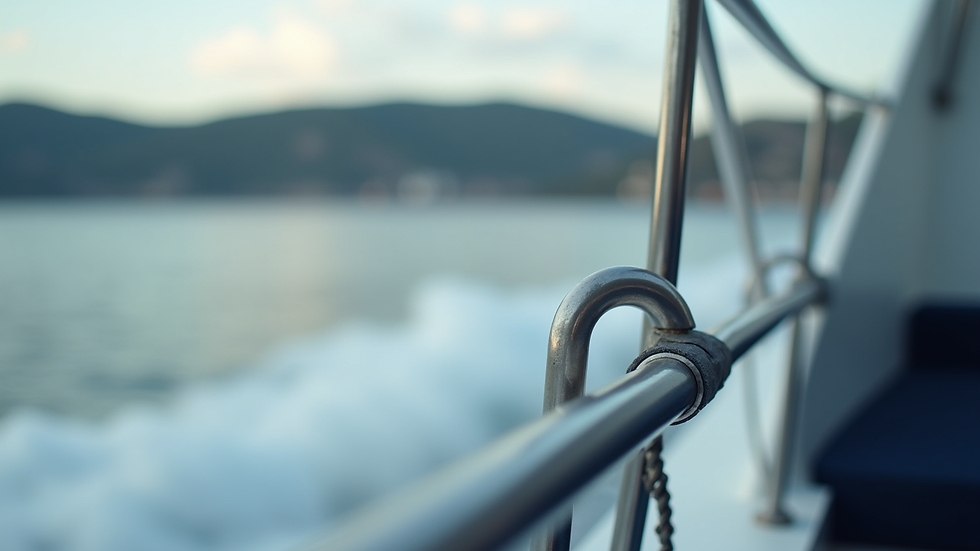
Getting on and off a boat can be tricky, especially in rough waters or for those with limited mobility. That’s where smart safety gear comes in. For example, patented handles and grips designed specifically for marine use can make boarding safer and easier.
These handles provide secure handholds, reducing slips and falls. They’re a simple addition that can prevent serious injuries. If you want to boost your boat’s safety, consider adding these innovative solutions.

Your Checklist for a Safe Boating Trip
Before you set sail, run through this checklist:
Life jackets for everyone
Throwable flotation devices
Fire extinguisher(s)
Visual distress signals
Sound-producing devices
First aid kit
Navigation and communication tools
Anchor and line
Boarding safety handles or grips
Double-check everything. Make sure batteries are charged, gear is in good condition, and everyone knows the plan.
Stay Safe, Stay Prepared
Boating is a blast, but safety is your top priority. Equip your boat with the right gear. Practice using it. Keep it accessible. Remember, the best way to enjoy the water is to be prepared for anything.
If you want to learn more about the best safety gear for boating, check out trusted marine safety resources. Your safety is worth every effort!
Get out there, enjoy the waves, and stay safe!
Comments